
Prefab Home Construction
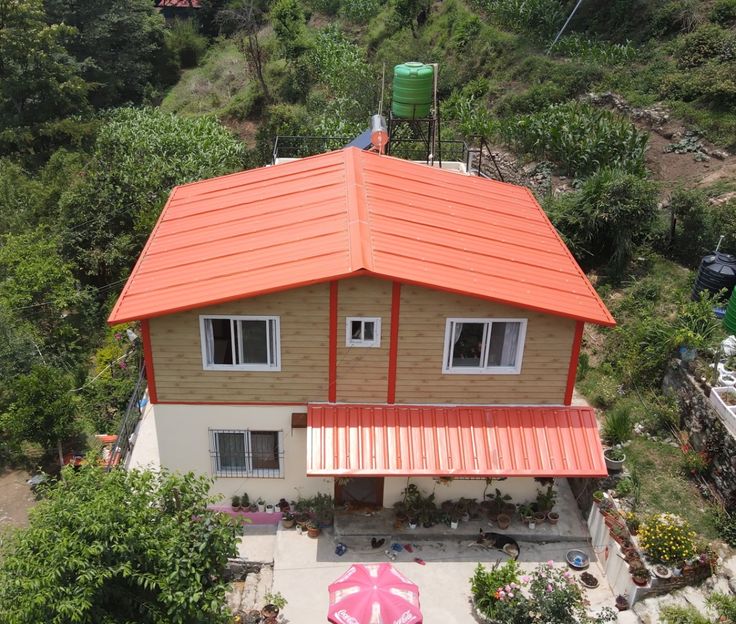
Prefab Home Construction
Prefab (prefabricated) home construction refers to the method of building homes in sections (modules or panels) in a factory environment, which are then transported and assembled on-site. This method offers many advantages over traditional home building, including faster construction, cost savings, and better quality control due to the factory-controlled conditions.
Installation Process
- Design and Planning – You choose or design the home, and the plans are finalized with an architect or manufacturer.
- Factory Construction – Once approved, the components of the house are built in the factory under controlled conditions.
- Transportation – The prefabricated sections are transported to the building site, ready for assembly.
- Site Preparation – The site is prepared for installation, including foundation work and utilities installation.
- Assembly – The components are assembled on-site, usually taking a few weeks, and the home is completed with finishes and fixtures.
- Move-In – Once everything is finished, the house is ready for occupancy.
Types of Prefabricated Homes
- Modular Homes – These are built in sections or modules that are transported to the site and assembled. Once on-site, they are connected and can be customized with finishes and additional features.
- Panelized Homes – In this method, walls, floors, and roof panels are prefabricated in a factory and then transported to the site for assembly. Panelized homes require more on-site construction compared to modular homes.
- Pre-Cut Homes – These homes are pre-cut and labeled in a factory and then delivered to the site. All the materials required for construction are pre-measured and ready for assembly.
- Shipping Container Homes – Using repurposed shipping containers as the primary building material, these homes offer a unique, eco-friendly, and cost-effective living space.
- Tiny Homes – Compact homes designed to maximize space efficiency and sustainability, often used for minimalist living or as vacation homes.
- Mobile Homes – Similar to modular homes, but typically on a chassis that allows them to be moved or relocated more easily. These are also known as manufactured homes.
Key Benefits of Prefab Homes
✔ Faster Construction – Since the components are made in a factory, the home can be assembled much quicker than conventional on-site construction.
✔ Cost-Effective – Prefabricated homes often cost less due to lower labor costs and quicker build times.
✔ High-Quality Control – Factory construction ensures precise, standardized components with fewer construction errors.
✔ Energy-Efficient – Many prefab homes are designed with modern insulation materials, ensuring better energy efficiency.
✔ Environmentally Friendly – Prefabricated construction typically results in less waste compared to traditional building methods, and materials are often sustainably sourced.
✔ Customization – Although prefab homes are factory-built, they can be highly customized in terms of layout, design, and finishes.
✔ Durable – Prefabricated homes are built to last, often using high-quality materials and construction techniques that meet or exceed industry standards.
✔ Sustainable – Many prefab homes are designed with green building practices, including energy-efficient windows, eco-friendly materials, and solar panel options.